AI is a powerful tool. It isn’t a competent safety professional.
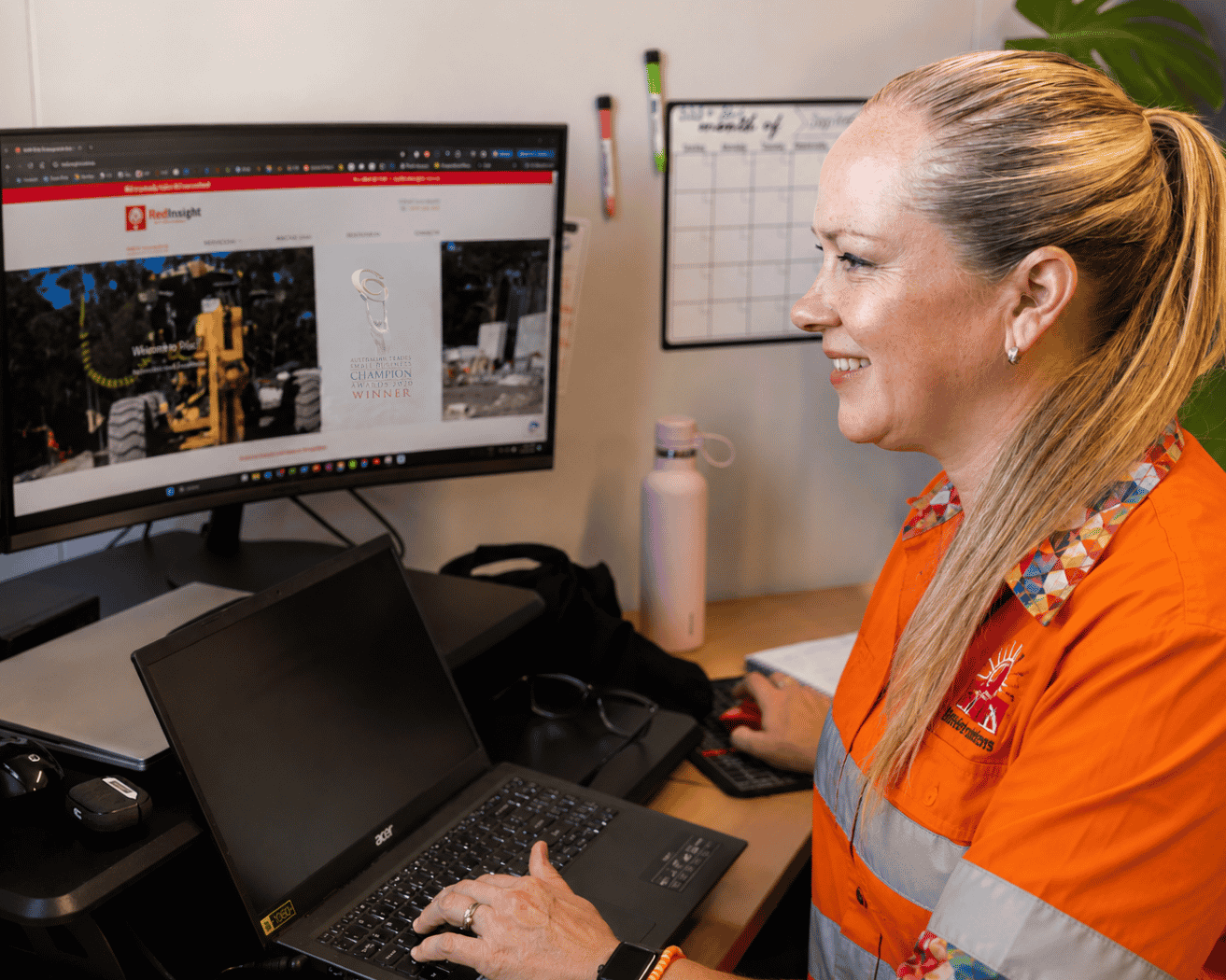
Here’s a simple example. See the Red Insight logo on Monica’s shirt? Most people would not notice that immediately. The bigger risk isn’t the obvious errors. It’s the subtle ones that look right but aren’t. That’s where human expertise still matters.
Artificial intelligence is changing the way we work, and workplace health and safety is no exception.
Safe Work Australia’s latest guidance highlights that AI should be managed like any other workplace hazard. It recognises the opportunities AI presents, while also reminding organisations to understand and manage the risks it introduces.
At Red Insight, we see another risk that isn’t always obvious.
AI produces confident answers. It can write policies, procedures, risk assessments and Safe Work Method Statements (SWMS) in seconds. They often look professional. They sound convincing.
But looking right and being right are two very different things.
We use AI ourselves. It helps overcome writer’s block, speeds up research and produces excellent first drafts. Used well, it can significantly improve productivity.
But every piece of WHS content we generate with AI is reviewed, corrected and refined by experienced consultants.
Why?
Because AI doesn’t understand your workplace.
When was the last time AI walked through your workplace, talked to your people, noticed the wear on a surface that suggested a machine wasn’t running quite right, or recognised the hesitation in a worker’s voice when someone said, “It’s always been like that”?
It hasn’t.
AI doesn’t know your people, your equipment, your history, your culture or the practical realities of how work is actually done.
It can misunderstand legislation, make assumptions, reference outdated or incorrect standards, overlook critical controls or recommend solutions that simply aren’t appropriate for your business.
The mistakes that matter aren’t always obvious
For someone with years of WHS experience, many of those gaps stand out immediately.
For someone without that experience, they often don’t.
That’s where the real risk lies.
If AI is accepted because it sounds credible, organisations may unknowingly implement ineffective controls or overlook significant hazards. The document appears complete, everyone feels reassured, and yet the risks remain.
It’s not unlike relying on a low Lost Time Injury Frequency Rate (LTIFR) as proof that safety is under control. The indicator looks good, but it doesn’t tell the whole story.
A polished document isn’t evidence of good risk management.
AI is a tool, not a replacement for professional judgement
AI is an outstanding first draft.
Experience is what turns that first draft into something that is safe, practical and legally defensible.
Technology should support professional judgement, not replace it.
The value isn’t in producing a document.
The value is knowing whether that document will actually keep people safe.
Learn more:
Safe Work Australia’s guidance on AI and digital technologies in the workplace provides practical advice for organisations considering or already using AI in their operations. [Link to Safe Work Australia guidance]